About These World Cup Mascots Coloring Pages
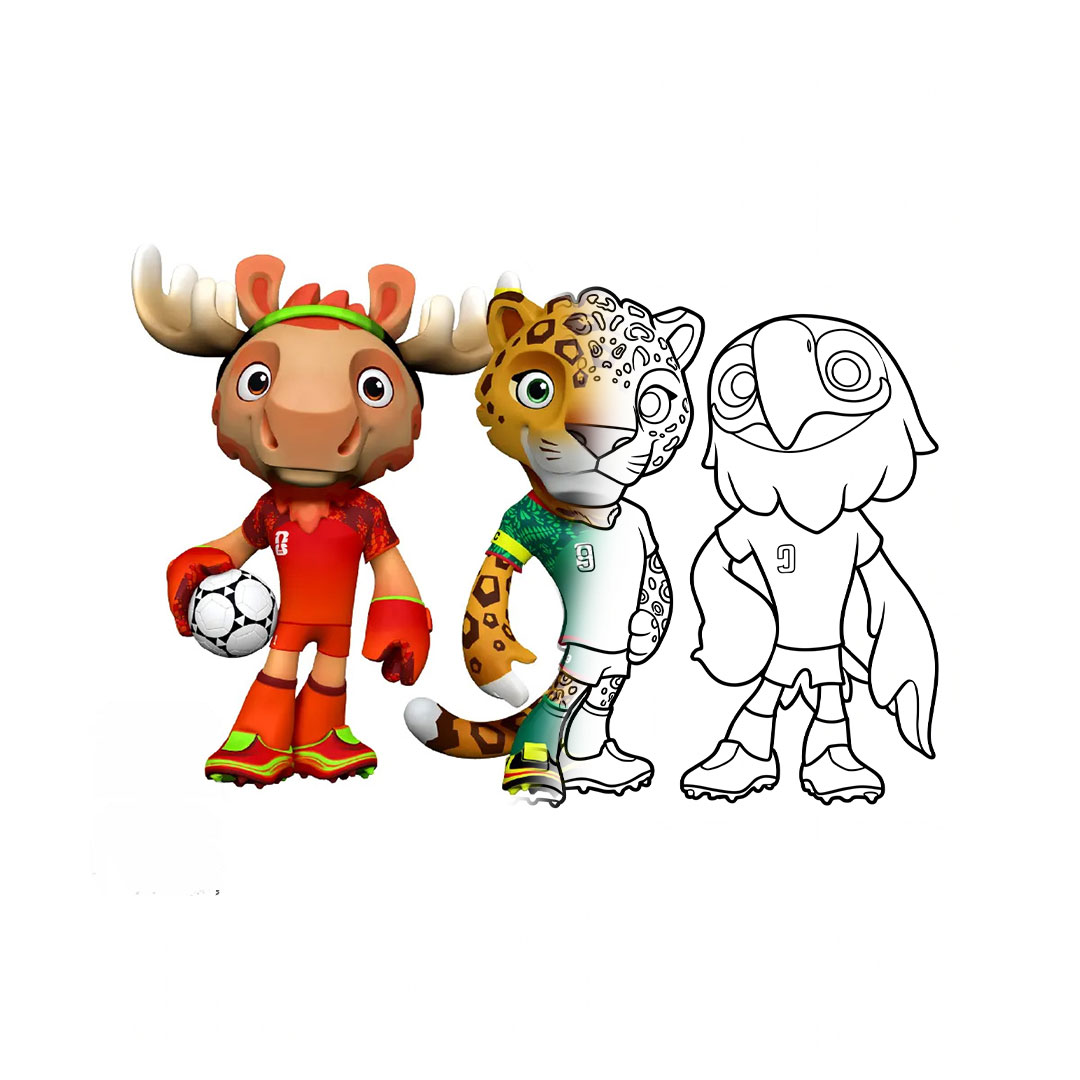
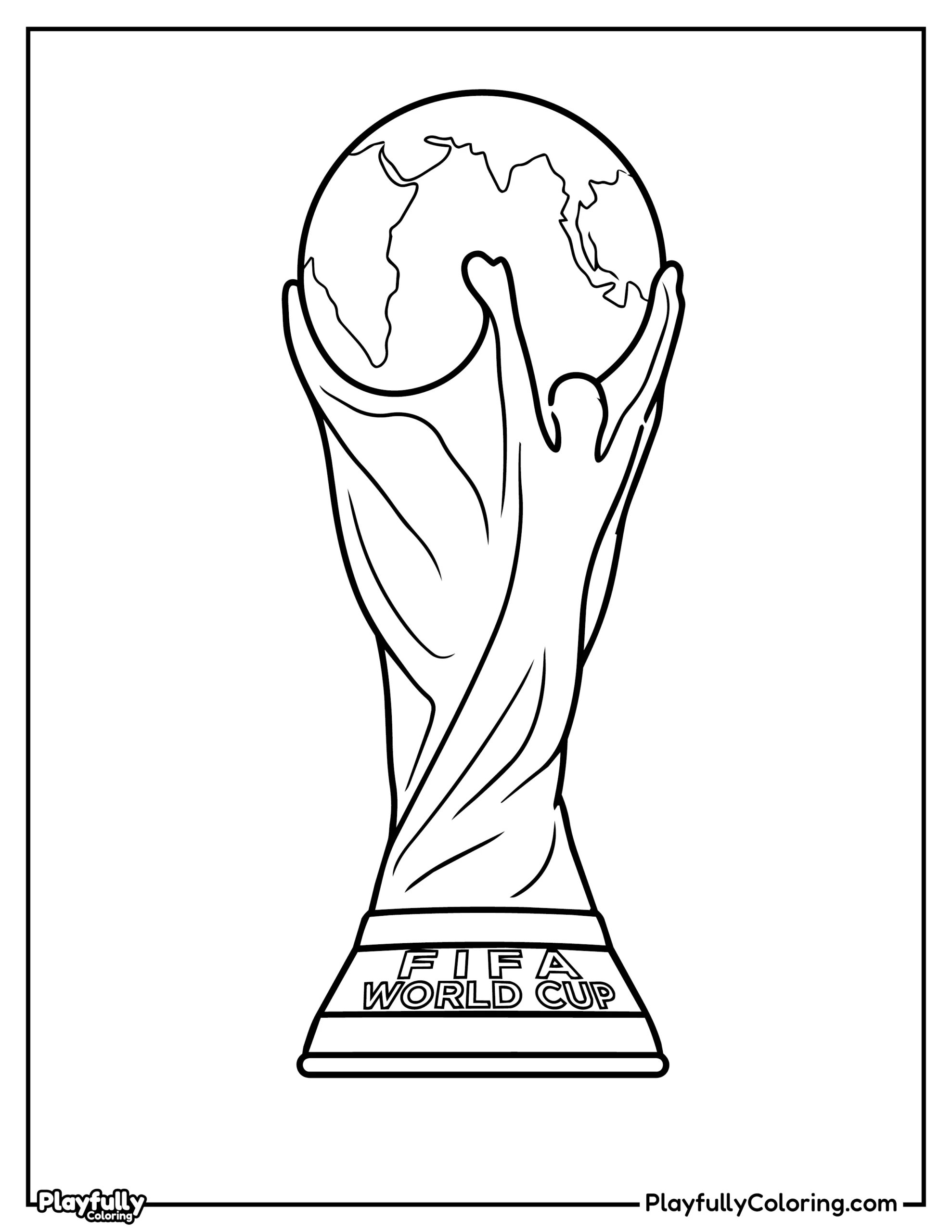
This complete collection of free World Cup mascots coloring pages is part of our Sports Coloring Pages collection at PlayfullyColoring.com. Whether your kids love the classic FIFA mascots like Fuleco and Zabivaka, or they are excited about the brand-new 2026 World Cup mascots Clutch, Maple, and Zayu — there is a free printable soccer coloring page here for every fan. All pages are free to download as high-resolution PDFs — no sign-up needed.
About the FIFA World Cup Mascots
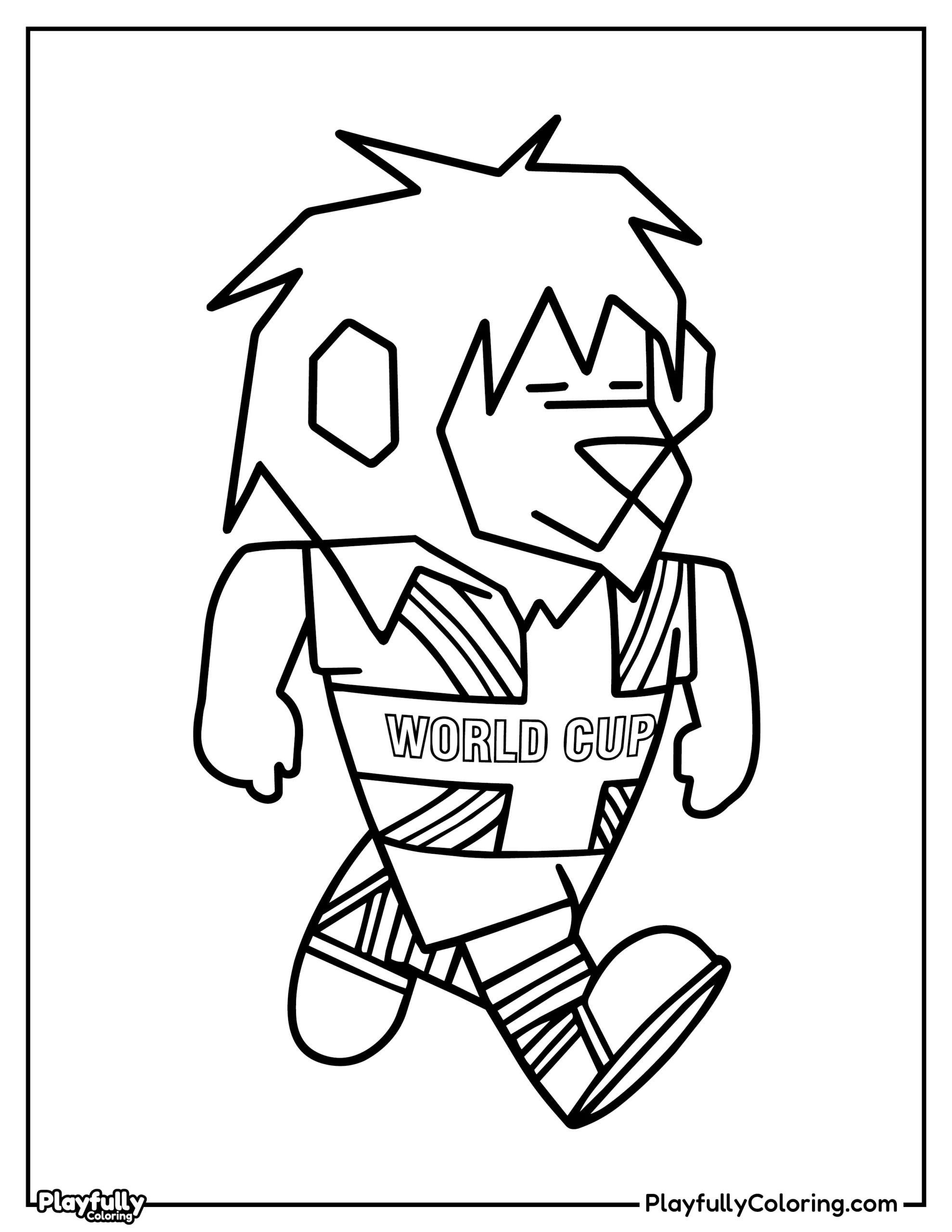
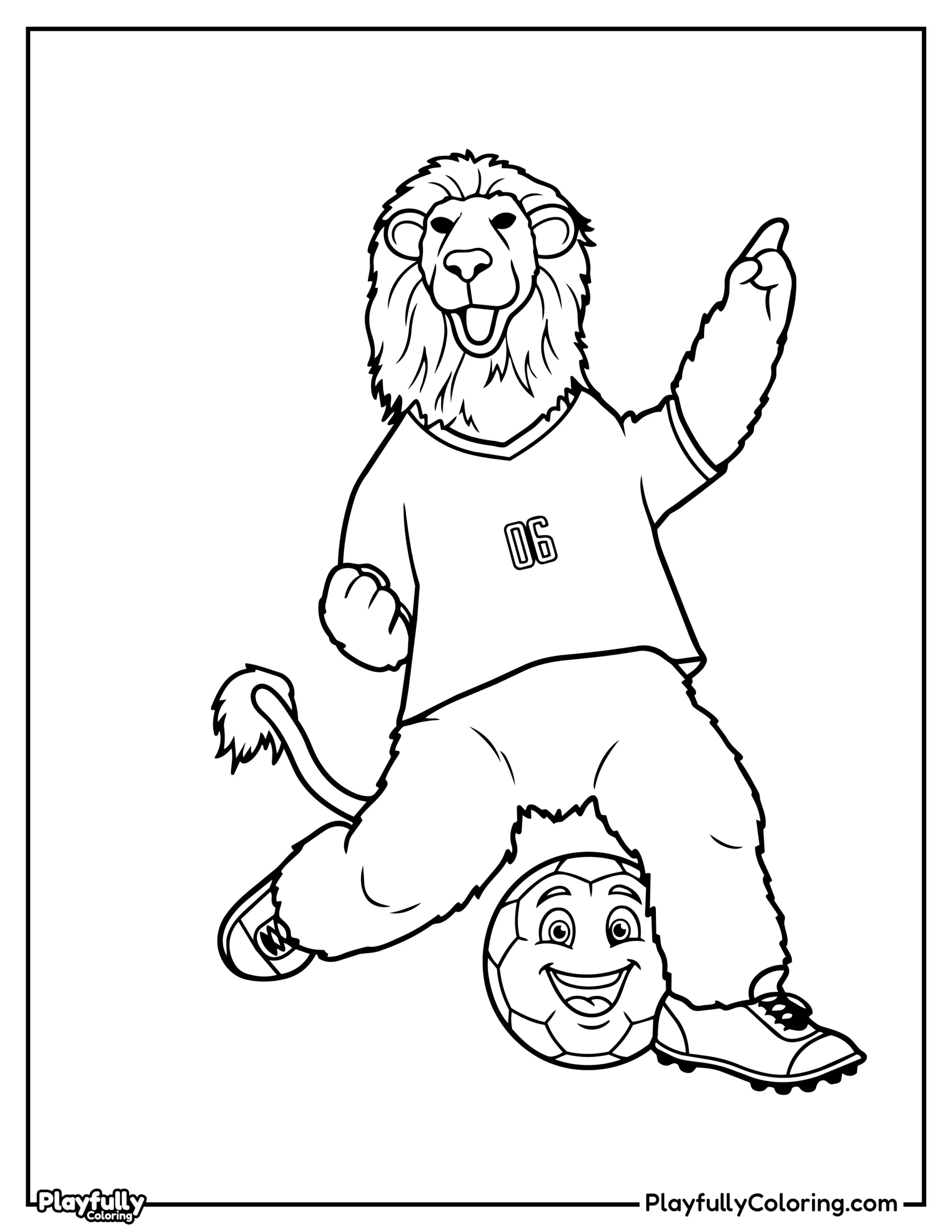
The tradition of the FIFA World Cup mascot began in England in 1966 with Willie, a cheerful cartoon lion wearing a Union Jack shirt. What started as a simple promotional idea became one of football’s most beloved traditions — each edition now has its own character that captures the spirit of the host country and gives the tournament a face that fans, especially children, can connect with.
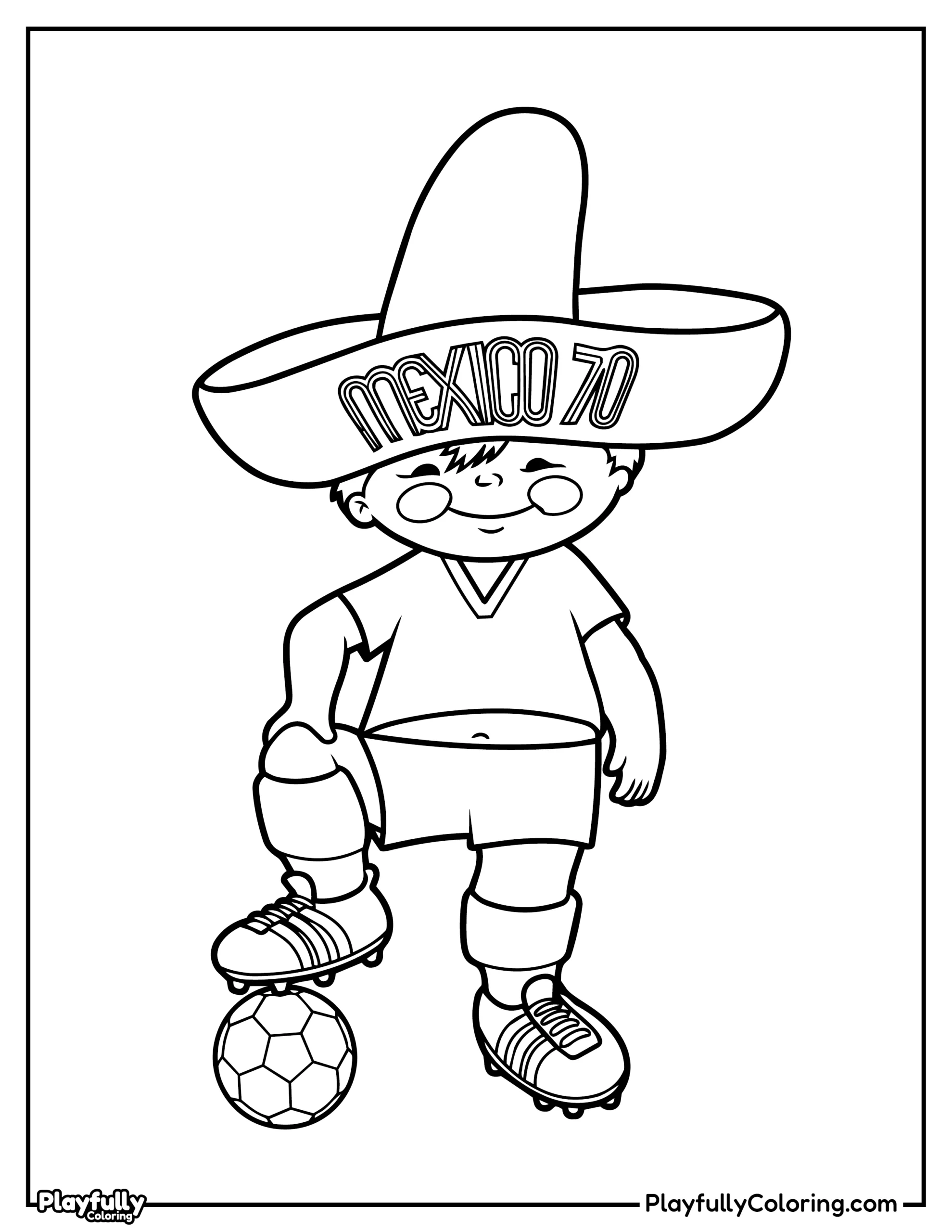
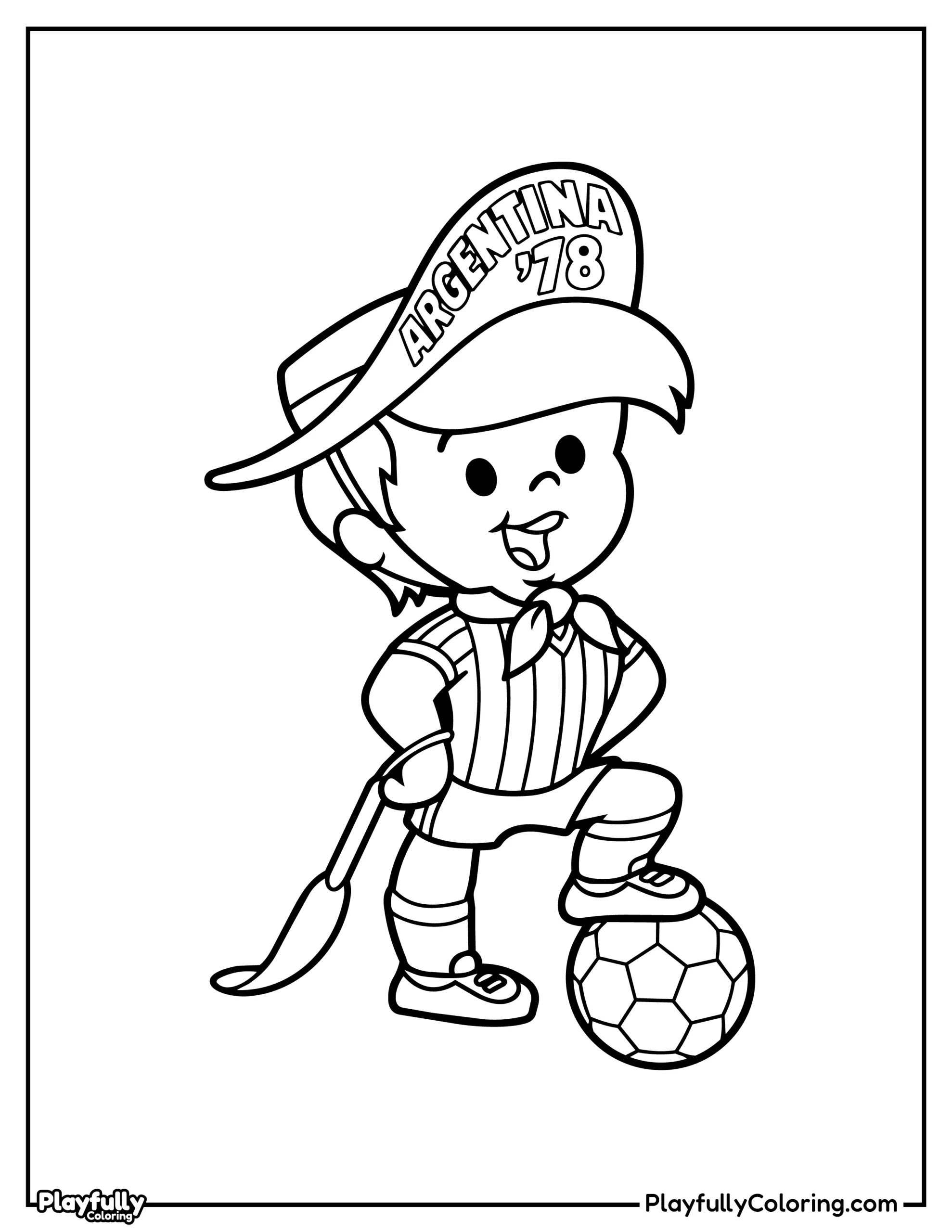
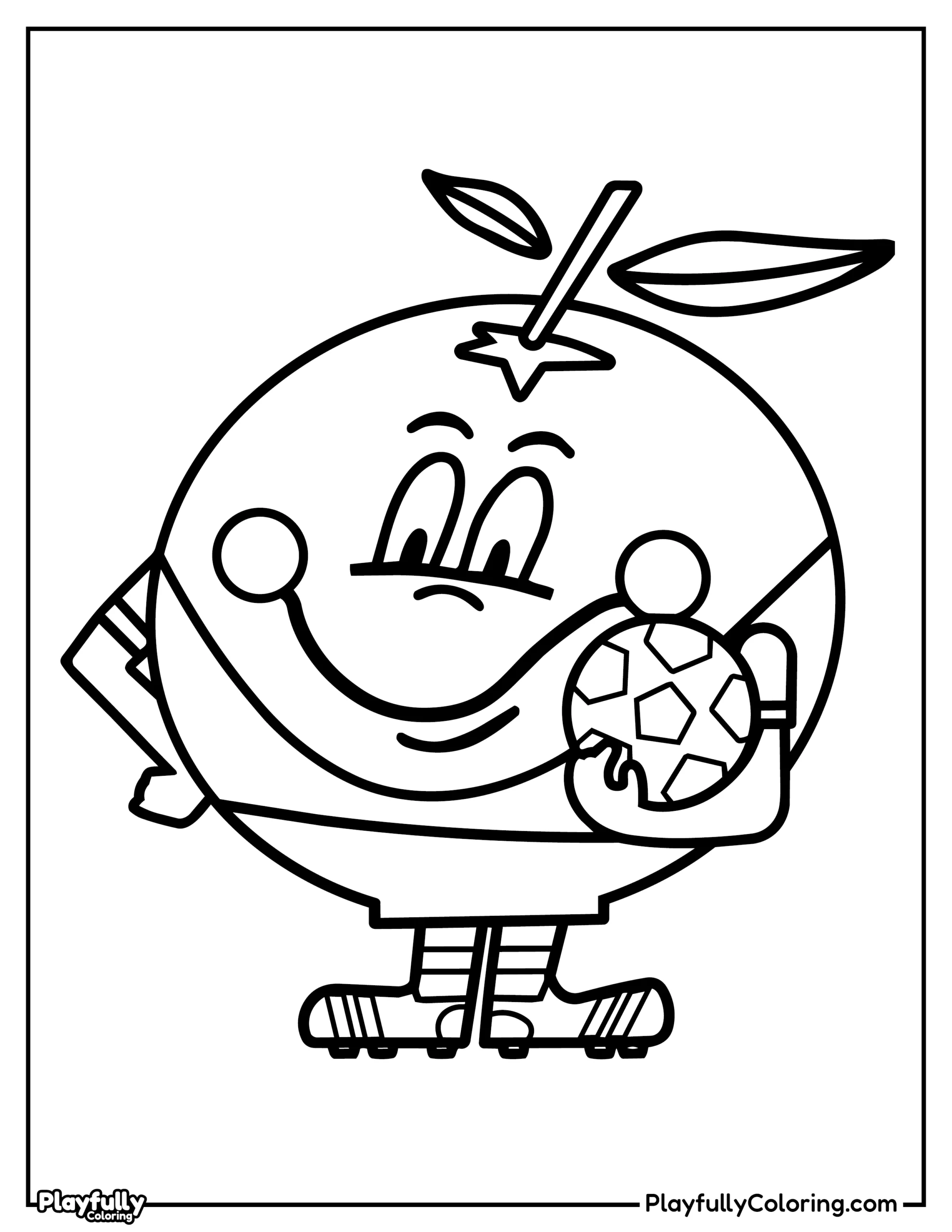
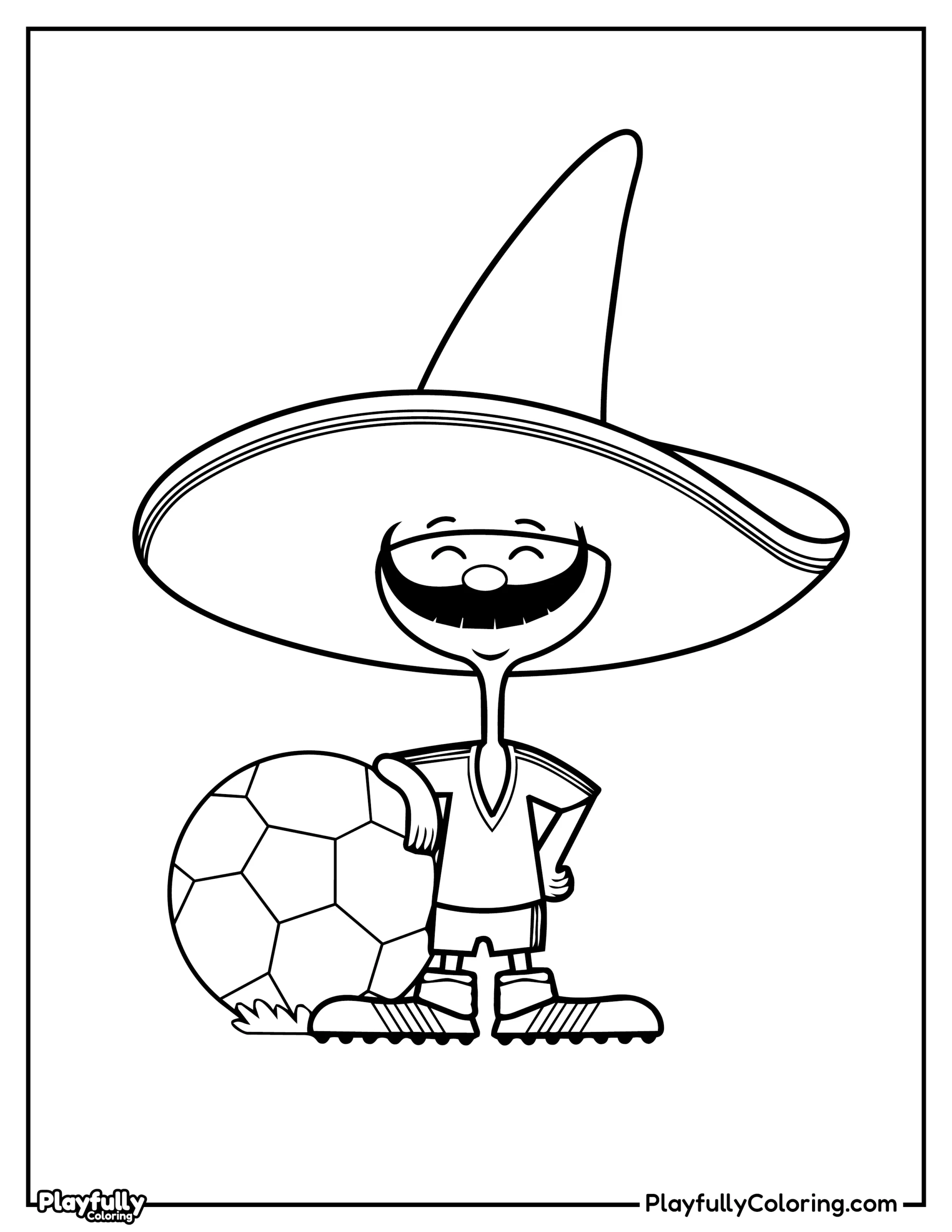
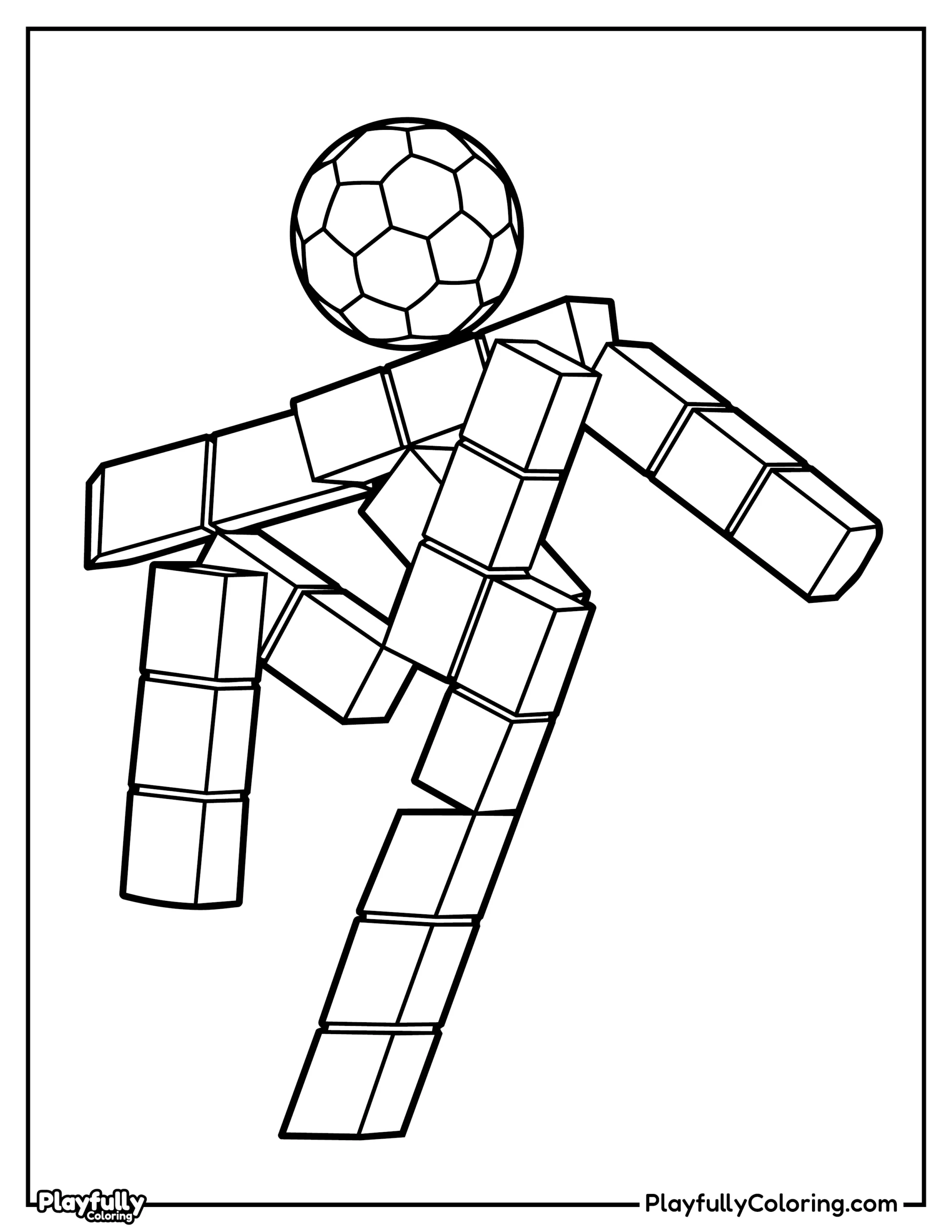
Over the decades the mascots have reflected their time and place in fascinating ways. The 1970s featured young boys representing their countries — Juanito in Mexico, Gauchito in Argentina — celebrating the host nation’s identity through its people. The 1980s took a more creative turn: Naranjito was a cheerful orange from Spain, while Pique was a jalapeño pepper from Mexico, both turning everyday foods into beloved characters. Italy’s Ciao in 1990 was completely unlike anything before it — a geometric, faceless stick figure that divided opinion but became an icon of modern design.
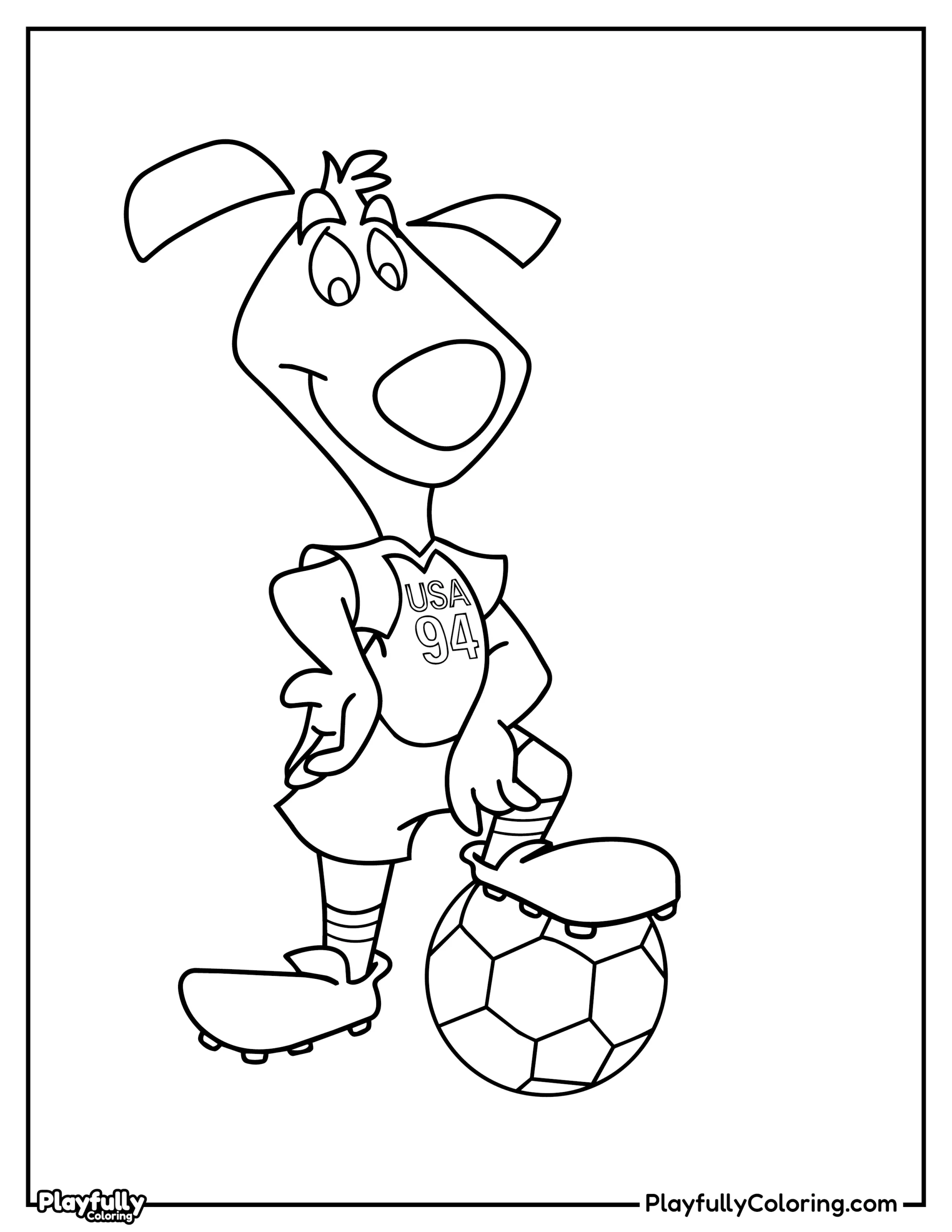
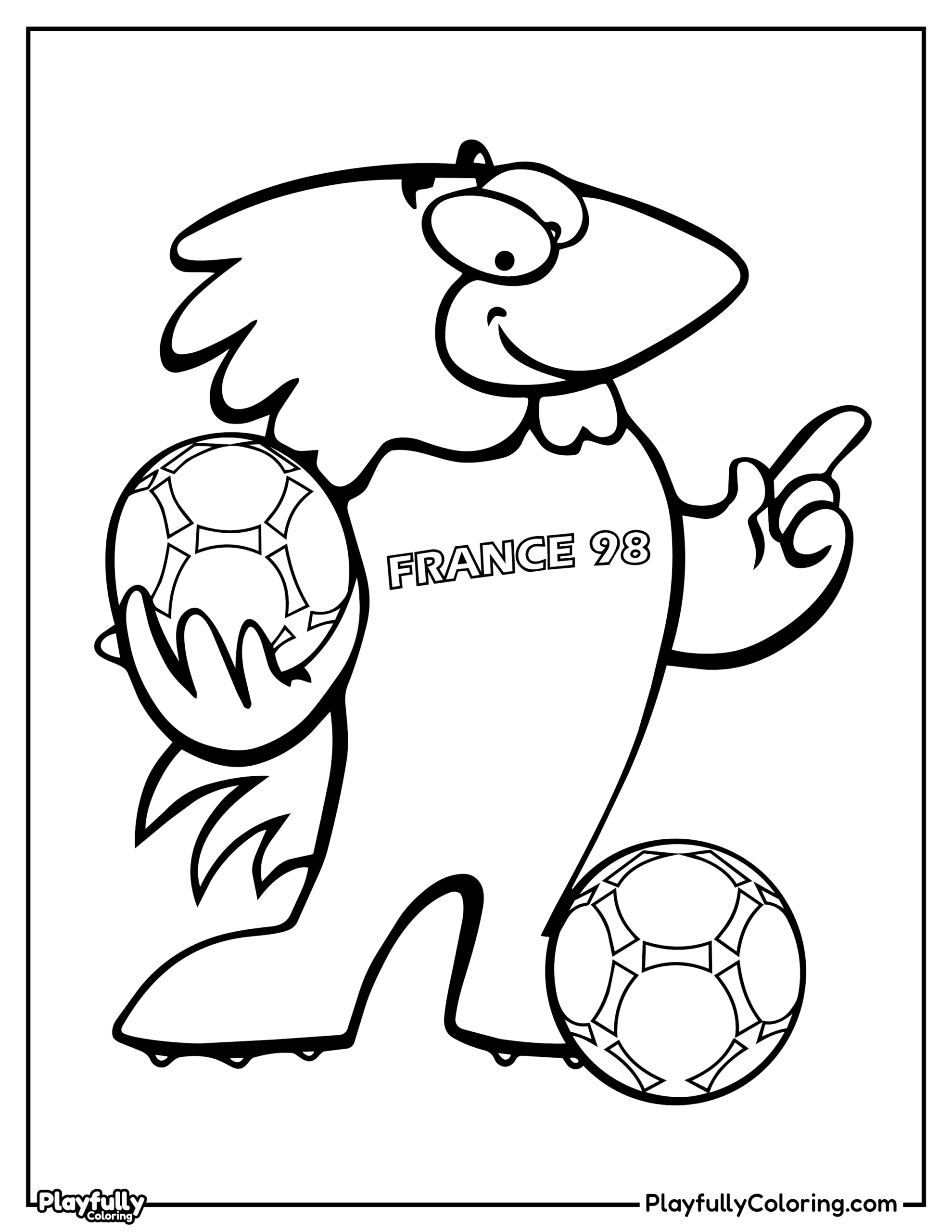
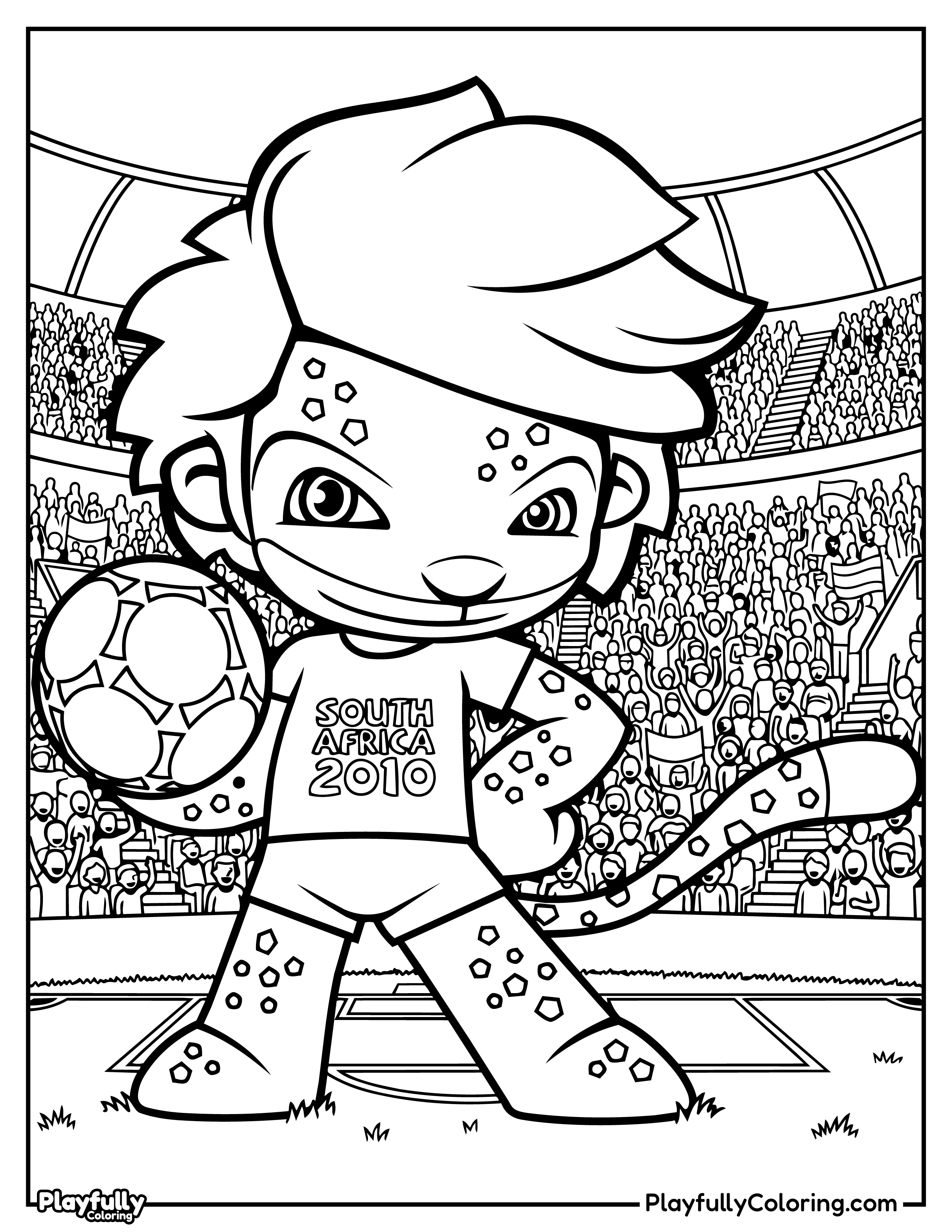
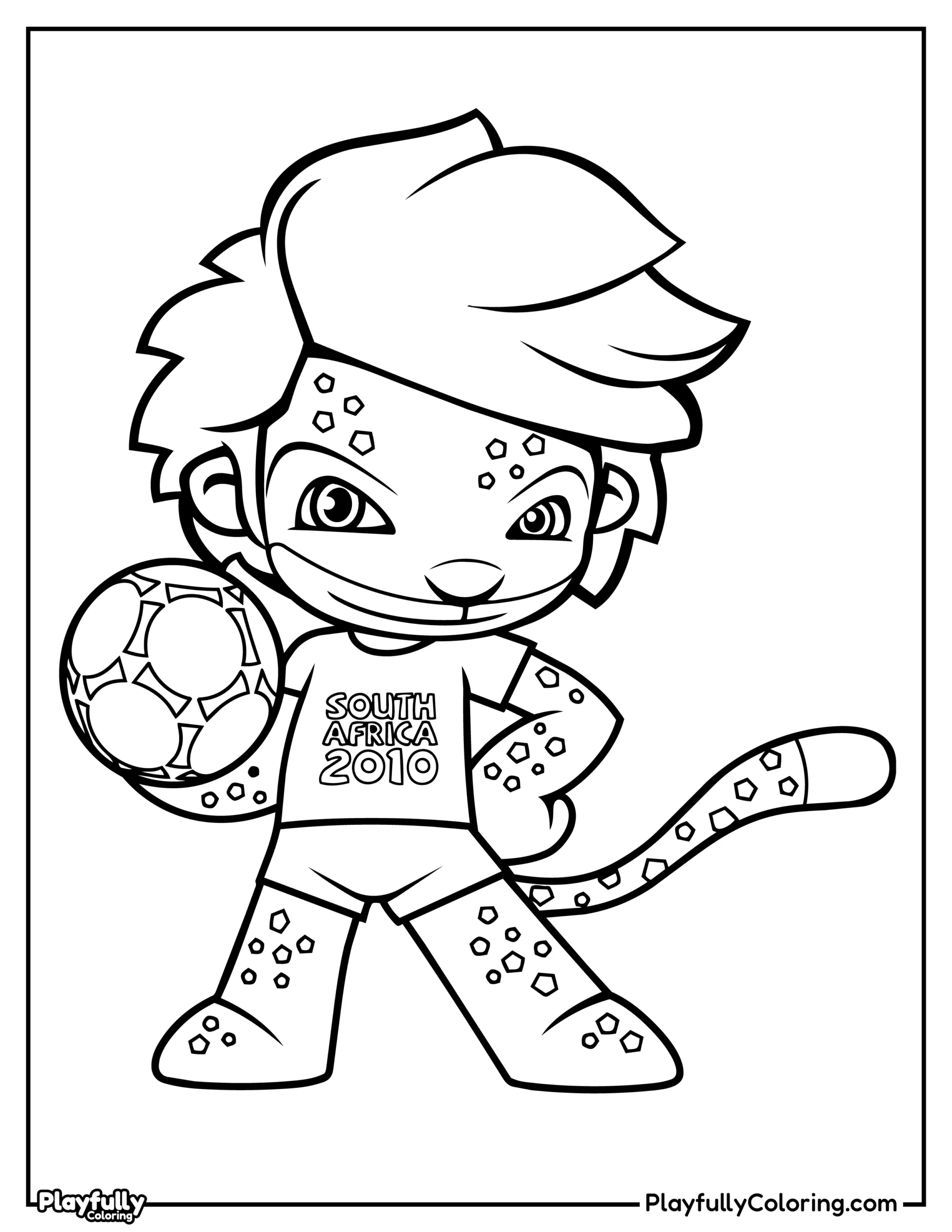
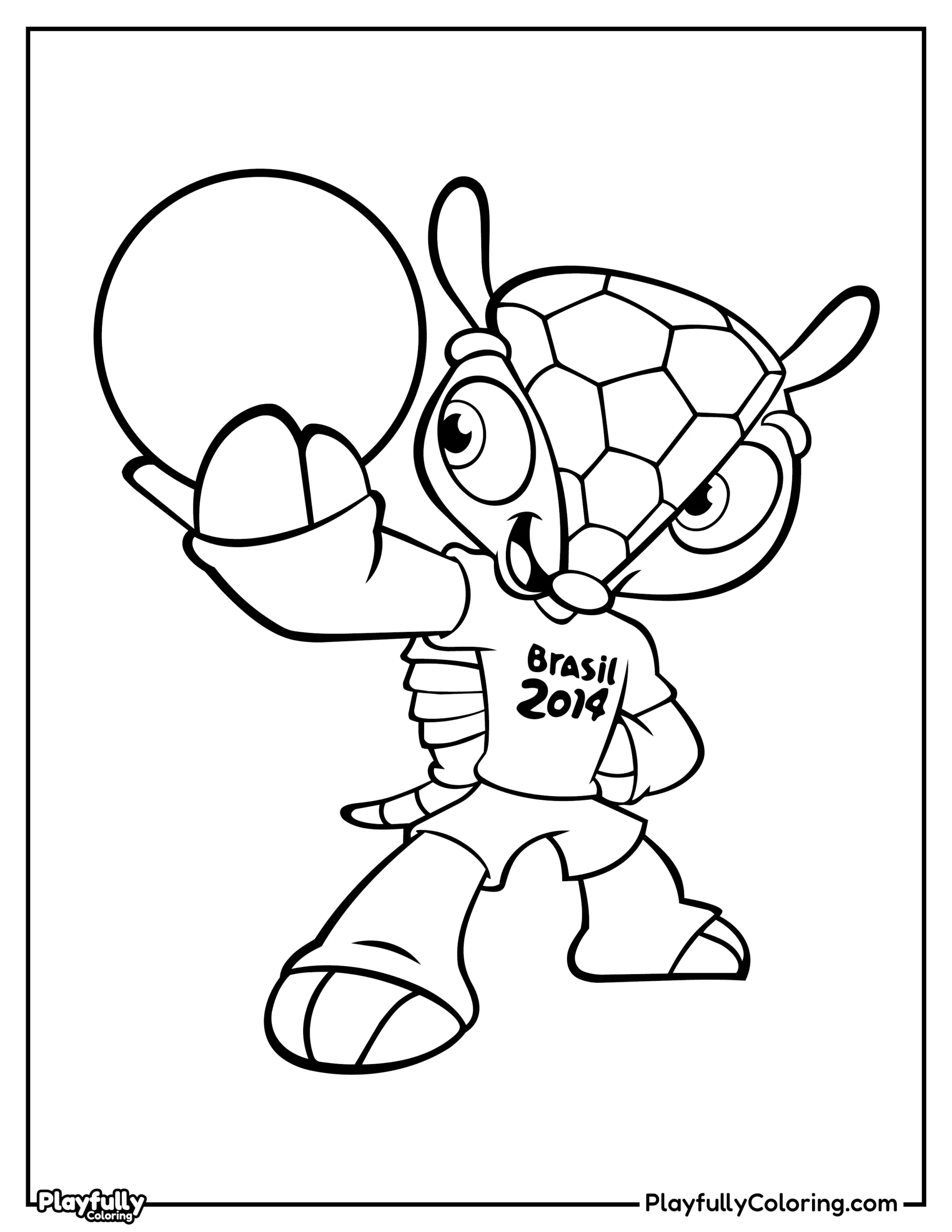
The modern era brought animals into the spotlight. Striker the dog represented the United States in 1994, Footix the rooster became the face of France 1998, and South Africa gave us Zakumi the green-haired leopard in 2010. Brazil’s Fuleco in 2014 was particularly meaningful — a three-banded armadillo, an endangered Brazilian species, chosen to raise awareness about wildlife conservation.
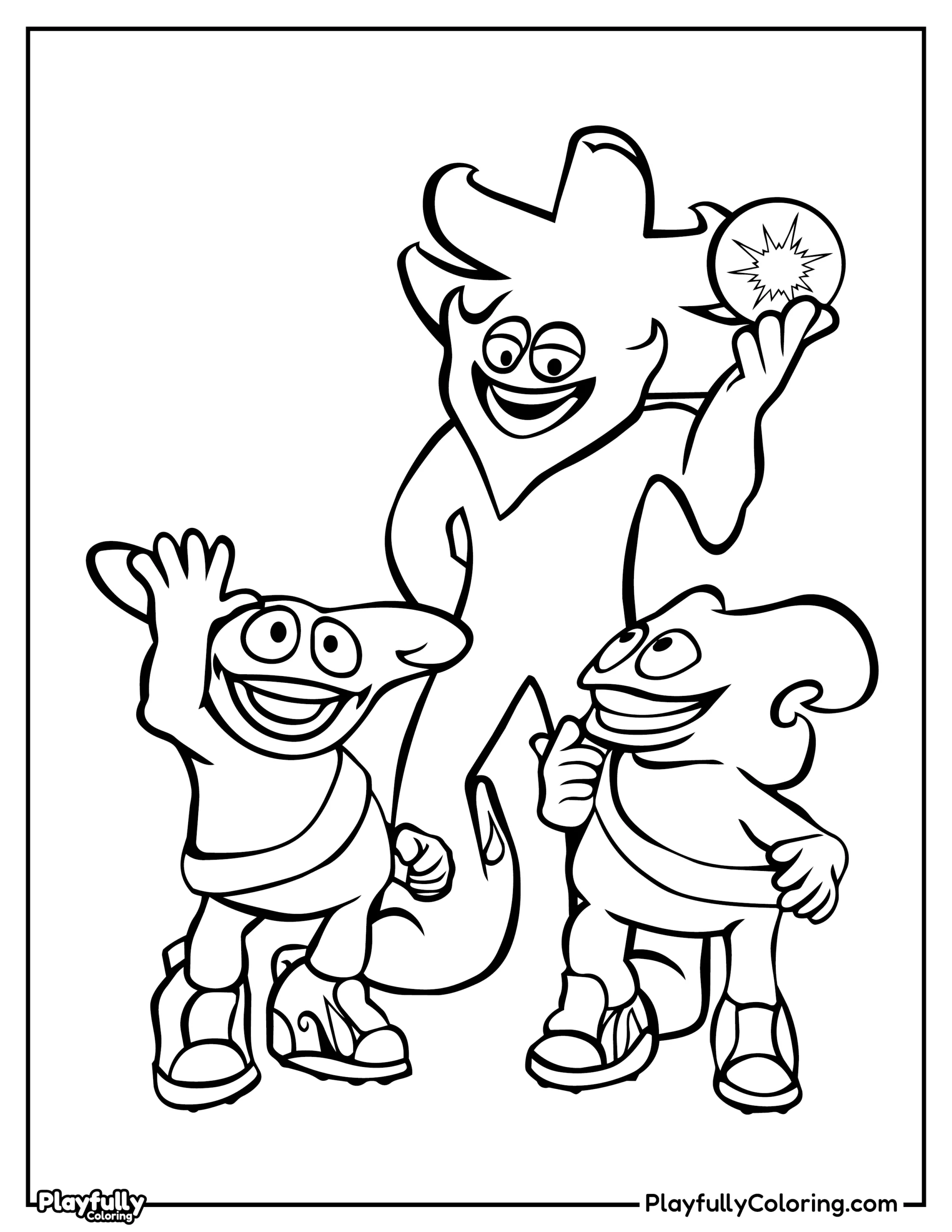
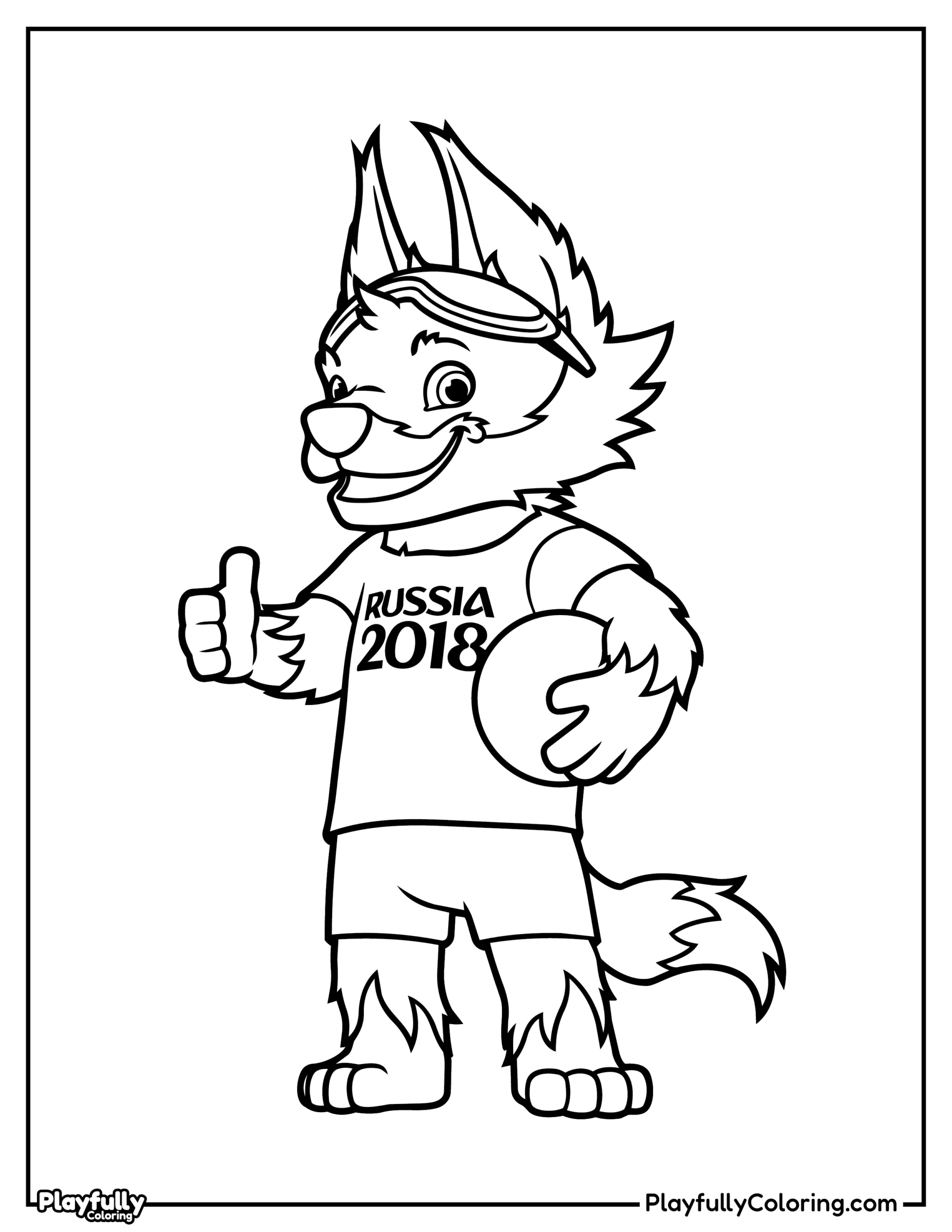
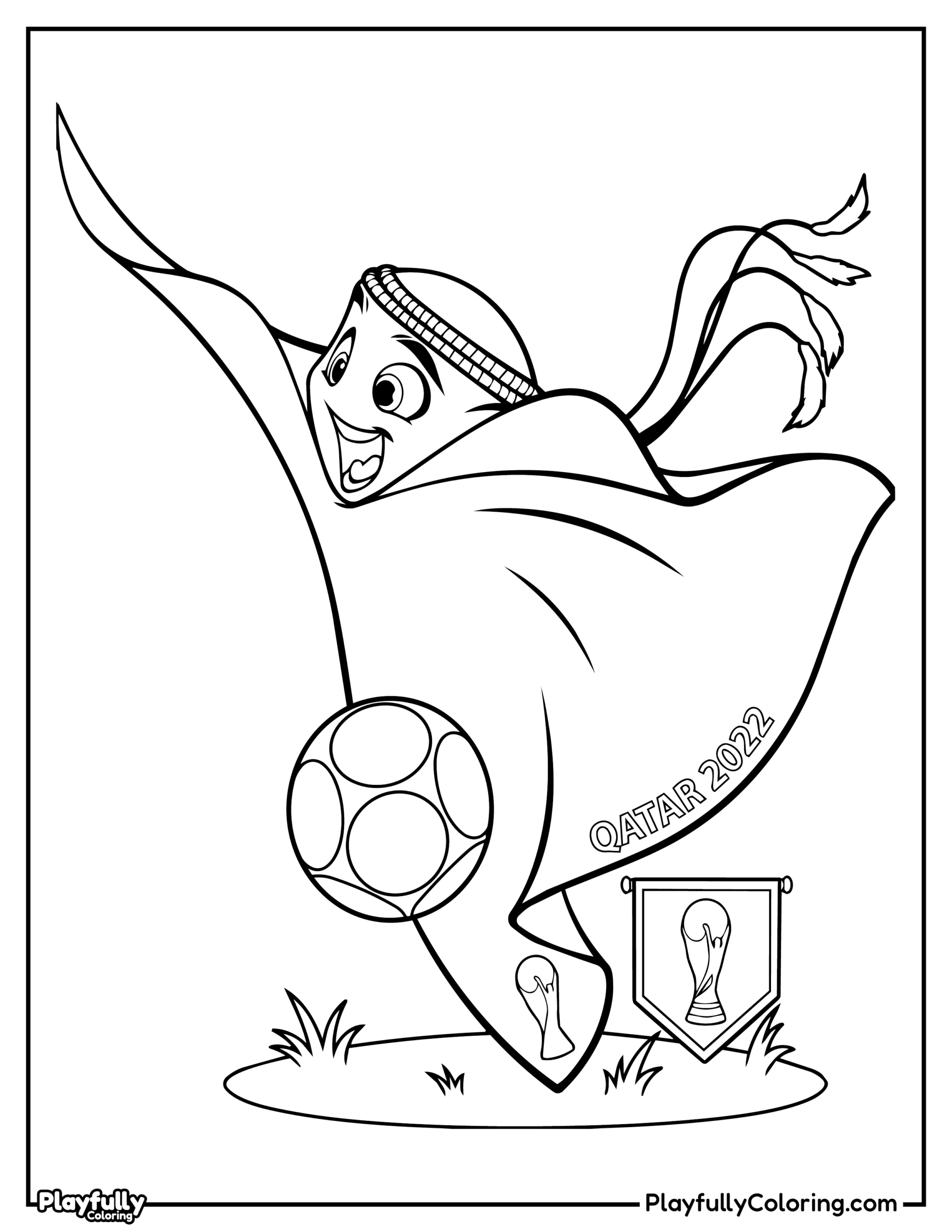
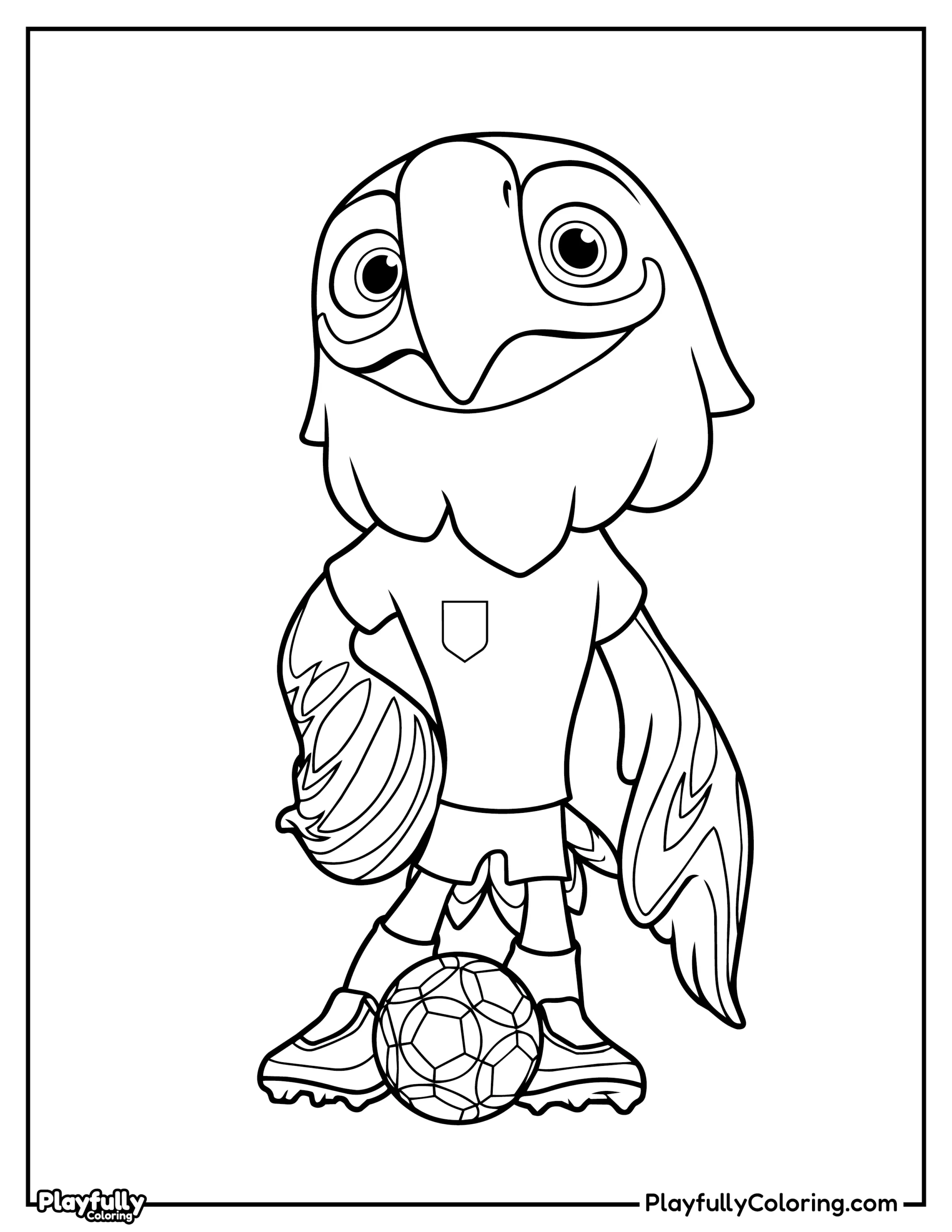
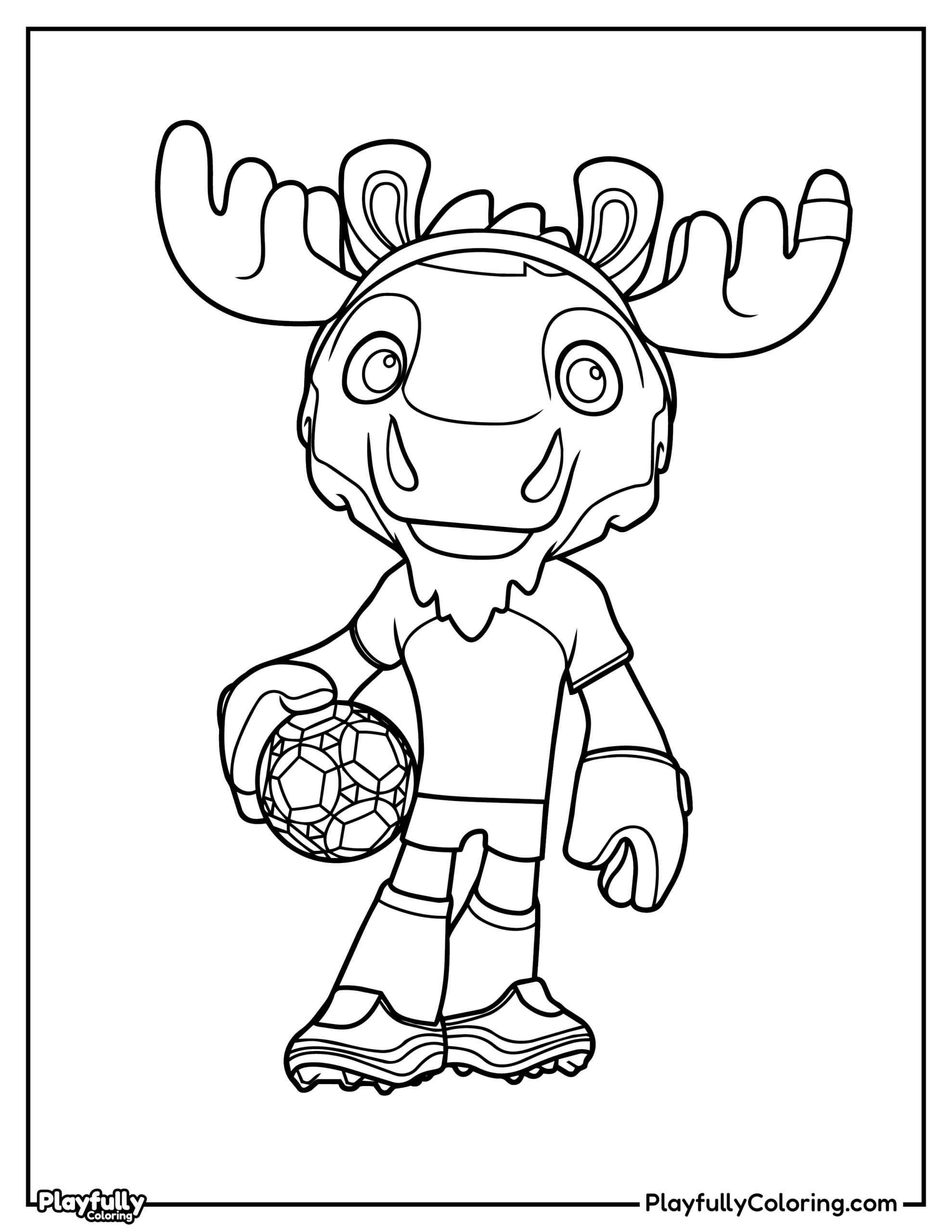
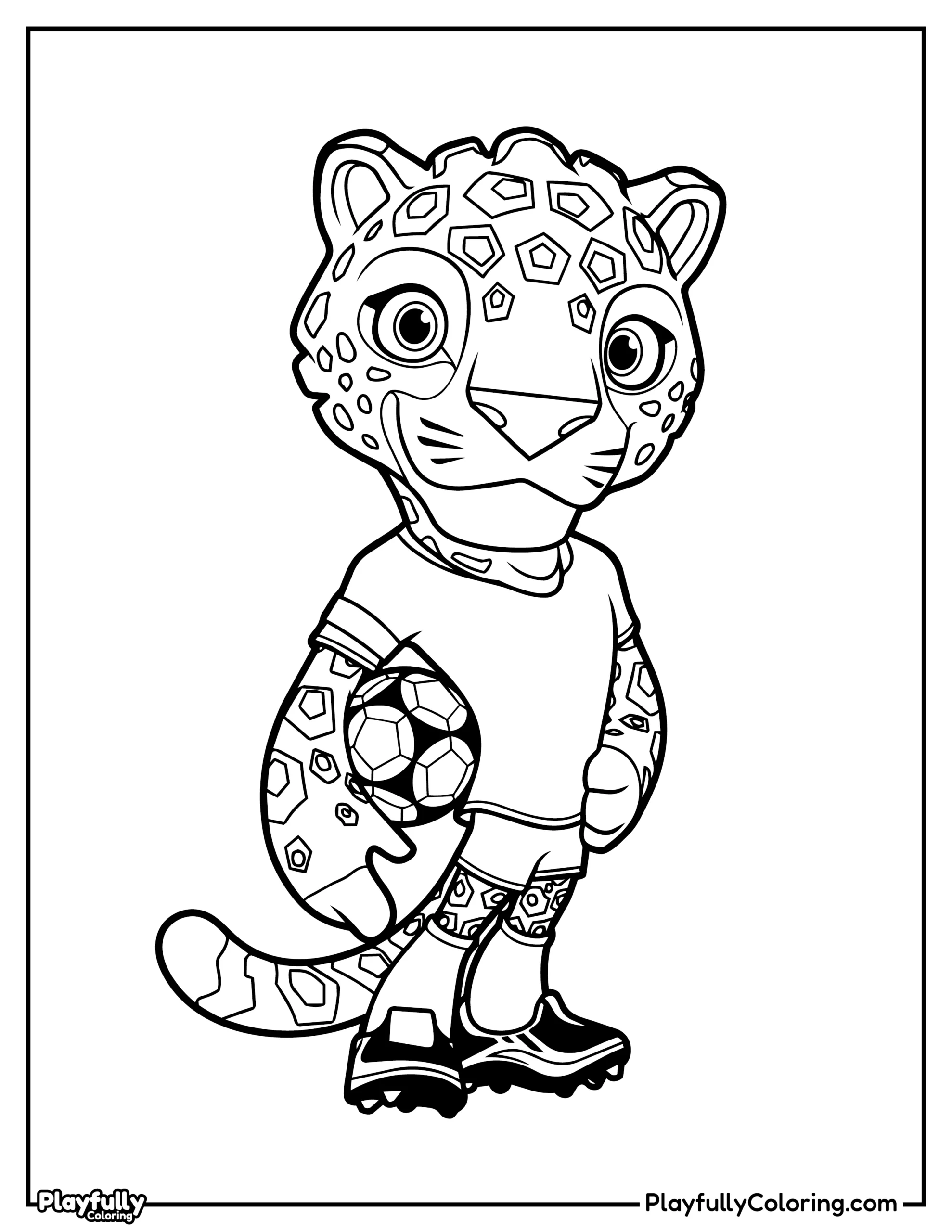
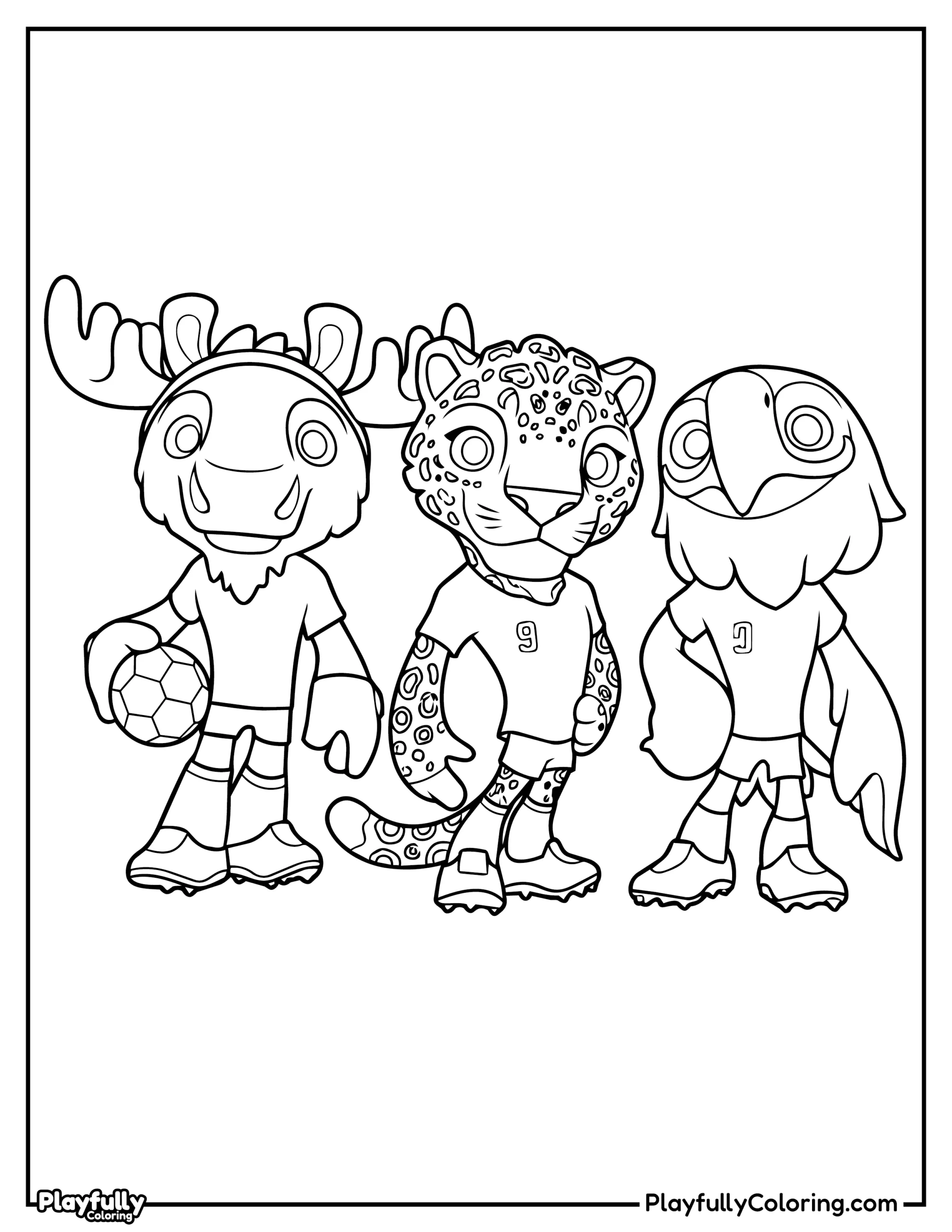
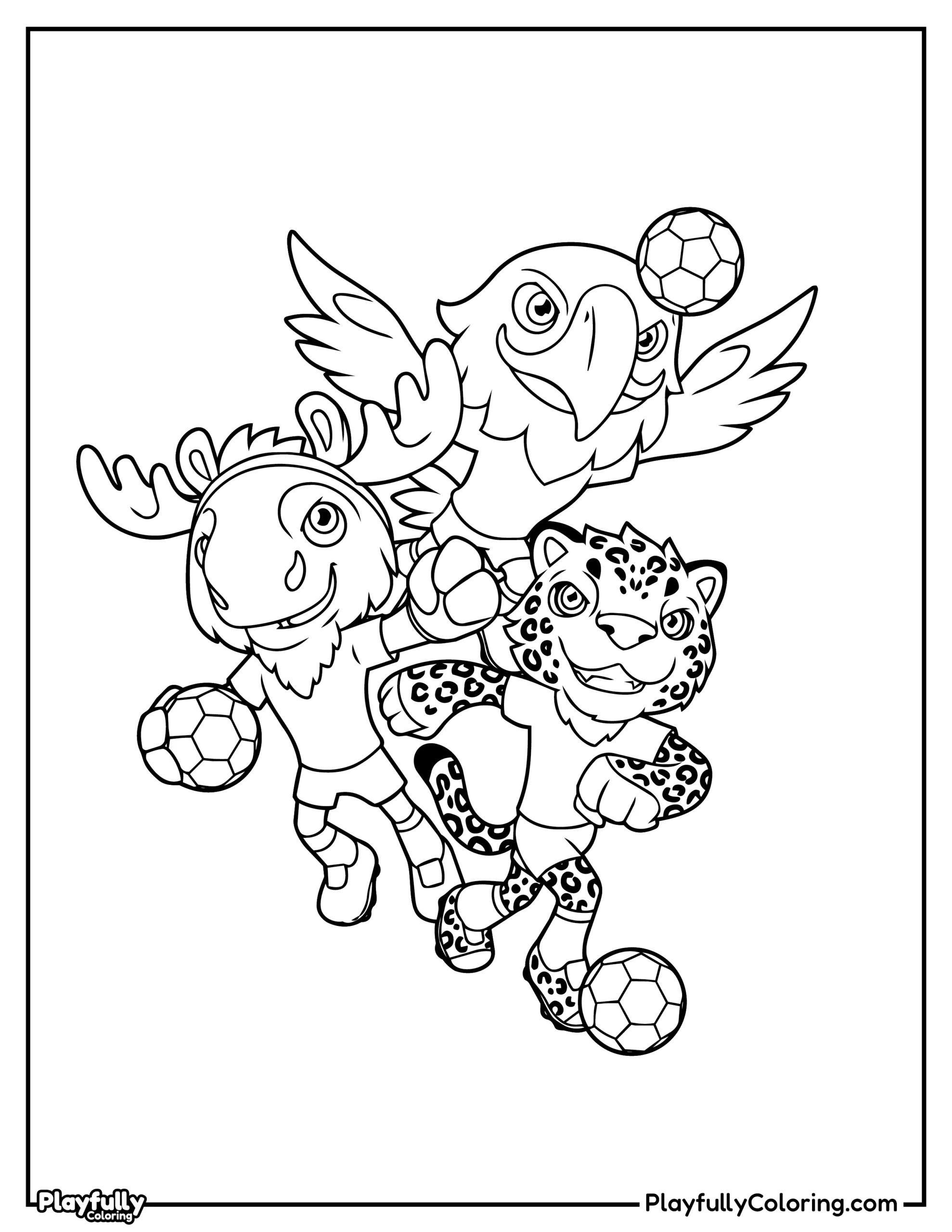
Russia’s Zabivaka in 2018 was a cool wolf with ski goggles, designed by a university student and chosen by more than one million votes online. And Qatar 2022 introduced La’eeb — a floating, ghost-like figure inspired by the traditional Arab keffiyeh headdress, officially described as coming from a “parallel mascot universe.” Now, for 2026, the United States, Canada, and Mexico each have their own mascot: Clutch the Bald Eagle, Maple the Moose, and Zayu the Jaguar — making it the first World Cup ever with three official mascots.
Why World Cup Mascots Coloring Pages Are Great for Kids
Coloring through the history of World Cup mascots is more than just a fun activity — it is a quiet lesson in world cultures, geography, and history. As children color each mascot, parents can share where that country is on a map, what language they speak, or what makes that nation special. A jalapeño pepper from Mexico, a leopard from South Africa, an armadillo from Brazil — each character becomes a doorway into a conversation about the world.
Beyond the learning, these pages are excellent for fine motor skills, focus, and creative expression. Unlike coloring pages of a single character, a collection like this gives kids variety — they can spend time with the mascots they love most, challenge themselves with more detailed designs, and feel a genuine sense of accomplishment working through the full collection.